

What Makes Climate Control a Non-Negotiable Factor in Cannabis Growth?
Consistent cannabis manufacturing depends greatly on environmental precision. Study across controlled-environment agriculture implies that temperature, humidity, ventilation, and CO₂ levels straight effect place metabolism. Also little changes may affect photosynthesis, slow development, or minimize cannabinoid development. For year-round cannabis operations, Cannabis Climate Control is not really a periodic adjustment—it is a continuous functional necessity that protects generate balance and creation schedules.
How Does Temperature Administration Help Continuous Crop Rounds?
Temperature plays a defining position in vegetative development and flowering performance. Data from interior expansion features suggest that sustaining stable heat ranges may increase development uniformity by over 20%. Without correct climate control , periodic heat or cold tension allows crops in to survival mode, lowering biomass accumulation. Sophisticated techniques support growers keep optimal day-night differentials, ensuring consistent crop rounds no matter outdoor conditions.
Why Is Humidity Control Needed for Seed Wellness and Illness Prevention?
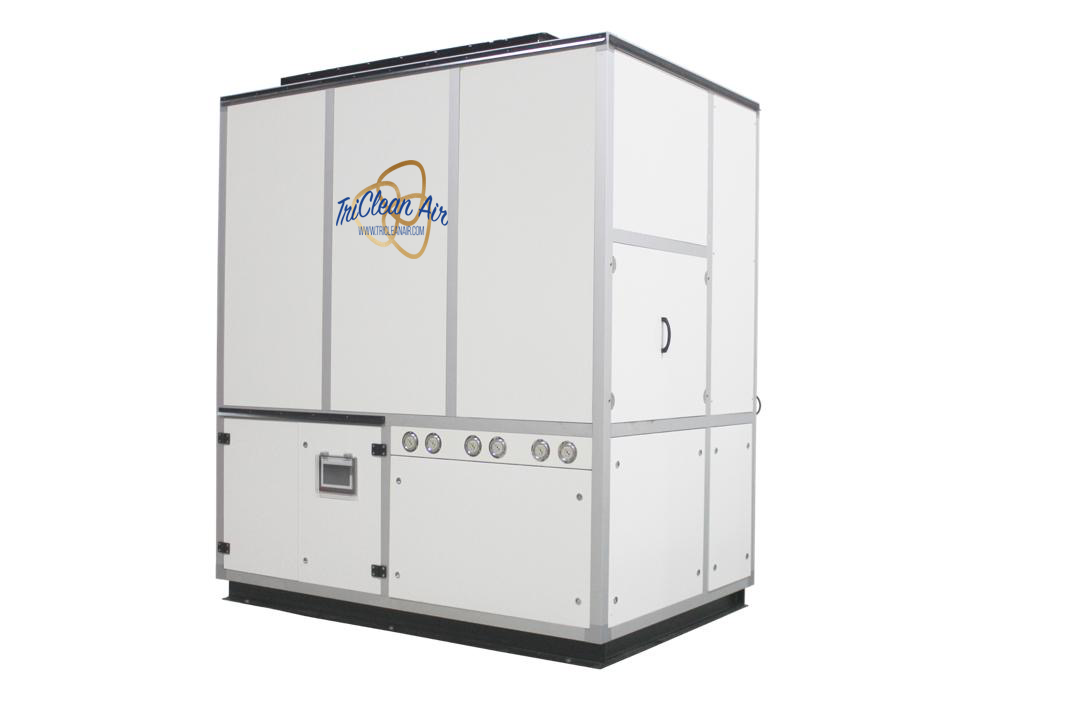
Humidity difference is one of the leading reasons for plant reduction in cannabis facilities. Statistical analyses from commercial grow surroundings demonstrate that improper moisture administration increases the danger of mold and mold by nearly 30%. Managed moisture helps effective transpiration, vitamin usage, and root health. For year-round production, dehumidification and humidity regulation are imperative to maintaining expected outcomes and avoiding expensive remediation.
What Position Does CO₂ Optimization Enjoy in Year-Round Deliver Consistency?
CO₂ enrichment has been demonstrated to increase photosynthetic efficiency when along with specific temperature and light control. Studies show that improved CO₂ degrees may increase place productivity by up to 25%. Nevertheless, these gets are merely possible when climate techniques assure healthy ventilation and safe concentration levels. Constant climate control allows growers to properly leverage CO₂ supplementation for the duration of all seasons.
How Does Climate Control Defend Detailed ROI?
From an economic perspective, climate control immediately influences operational efficiency. Services that implement integrated climate systems record decreased energy waste and lower plant loss rates. Statistical efficiency criteria reveal that enhanced conditions may decrease unplanned downtime and increase harvest predictability. With time, this uniformity strengthens present cycle consistency and stabilizes revenue streams for commercial growers.
Why Is Periodic Freedom a Competitive Advantage?
Year-round cannabis generation reduces reliance on external weather habits, enabling firms to generally meet industry demand consistently. Climate-controlled operations display higher annual production per sq foot in comparison to season-dependent grows. That independence helps long-term planning, agreement fulfillment, and solution quality consistency—critical metrics in a aggressive market.
What Does the Knowledge State About Long-Term Sustainability?
Sustainability metrics increasingly like controlled environments. Modern climate control techniques lower water spend, improve power use, and help scalable growth models. Statistical tendencies reveal that services with precise environmental regulates knowledge longer equipment lifecycles and more stable working costs. This makes climate control not really a growth instrument, but a proper investment.
Final Information
Cannabis climate control may be the backbone of year-round production. By stabilizing temperature, moisture, circulation, and CO₂ levels, growers can achieve expected produces, consistent quality, and stronger financial performance. In a industry pushed by information and efficiency, managed conditions are no more optional—they're required for maintained success.