

What Makes Climate Control a Non-Negotiable Element in Cannabis Cultivation?
Consistent cannabis production depends heavily on environmental precision. Study across controlled-environment agriculture shows that heat, humidity, ventilation, and CO₂ levels immediately influence place metabolism. Also small fluctuations may disturb photosynthesis, gradual development, or minimize cannabinoid development. For year-round cannabis procedures, Dissolved Oxygen Injection Cannabis is not just a periodic adjustment—it is a constant detailed requirement that shields generate balance and generation schedules.
How Does Heat Administration Support Constant Harvest Cycles?
Temperature represents a defining role in vegetative development and flowering performance. Knowledge from indoor expansion facilities suggest that sustaining stable temperature ranges may improve growth uniformity by around 20%. Without appropriate climate control , seasonal heat or cool tension allows flowers into emergency setting, lowering biomass accumulation. Advanced methods support growers maintain maximum day-night differentials, ensuring regular plant cycles regardless of outdoor conditions.
Why Is Humidity Control Needed for Plant Health and Condition Elimination?
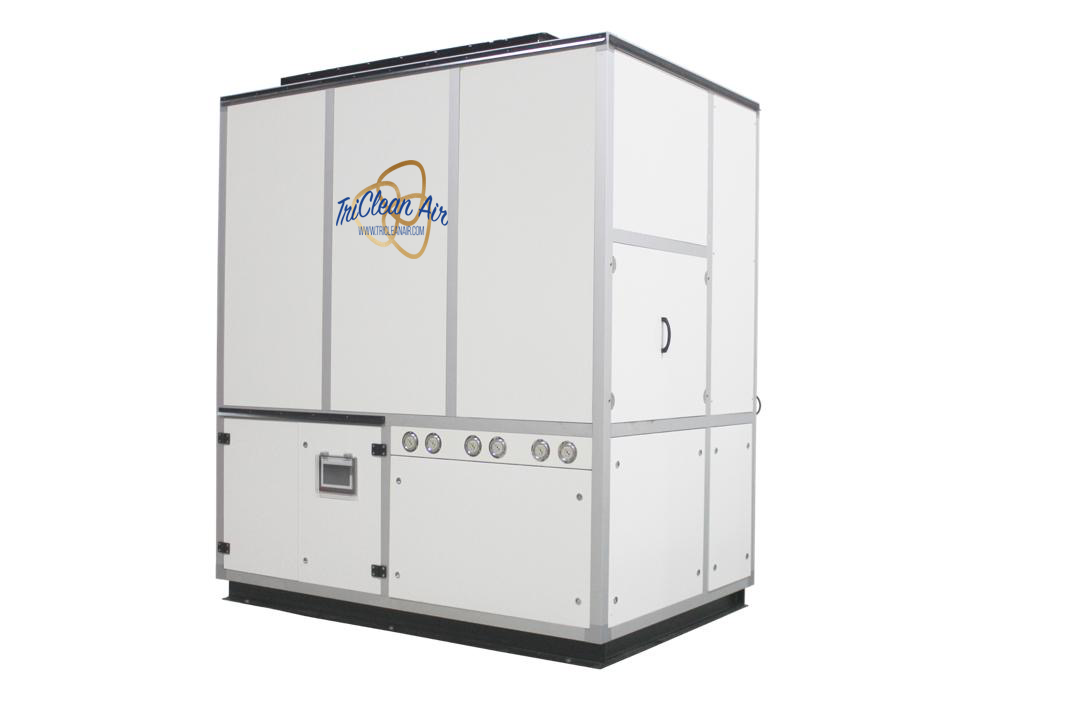
Moisture discrepancy is among the major causes of crop loss in cannabis facilities. Mathematical analyses from commercial grow surroundings reveal that incorrect moisture management raises the chance of mold and form by nearly 30%. Managed moisture helps efficient transpiration, vitamin usage, and origin health. For year-round manufacturing, dehumidification and water regulation are imperative to maintaining expected outcomes and avoiding costly remediation.
What Role Does CO₂ Optimization Perform in Year-Round Yield Reliability?
CO₂ enrichment has been shown to improve photosynthetic performance when combined with specific temperature and light control. Studies indicate that improved CO₂ degrees may raise seed output by around 25%. However, these increases are just achievable when climate programs ensure healthy circulation and safe concentration levels. Continuous climate control allows growers to safely power CO₂ supplementation during all seasons.
How Does Climate Control Defend Working ROI?
From an financial perspective, climate control right influences working efficiency. Facilities that apply integrated climate programs record paid off energy waste and lower crop loss rates. Statistical efficiency standards show that enhanced situations may reduce unplanned downtime and improve harvest predictability. As time passes, this reliability strengthens present chain consistency and stabilizes revenue channels for commercial growers.
Why Is Seasonal Liberty a Competitive Advantage?
Year-round cannabis creation eliminates reliance on external temperature patterns, letting businesses to generally meet market demand consistently. Climate-controlled procedures display higher annual result per square foot compared to season-dependent grows. That freedom helps long-term preparing, agreement achievement, and product quality consistency—critical metrics in a aggressive market.
What Does the Information State About Long-Term Sustainability?
Sustainability metrics significantly like controlled environments. Contemporary climate control methods lower water spend, enhance energy use, and help scalable development models. Statistical styles reveal that facilities with precise environmental regulates experience lengthier gear lifecycles and more stable detailed costs. That makes climate control not really a growth tool, but a proper investment.
Final Information
Cannabis climate control is the backbone of year-round production. By stabilizing heat, humidity, ventilation, and CO₂ levels, growers can perform estimated yields, regular quality, and stronger financial performance. Within an industry driven by data and effectiveness, managed conditions are no longer optional—they are essential for sustained success.